

Can NFTs Be Considered Gambling?
The rise of non-fungible tokens (NFTs) has sparked debates across various sectors, from art to gaming, and even gambling. Can NFTs Be Considered Gambling Instruments? Bitfortune iOS
players and collectors alike are curious whether NFTs should be classified as gambling. With the growing popularity of digital collectibles and the monetary stakes often involved, we delve into this topic to unveil the intricacies surrounding NFTs and their potential comparison to gambling.
Understanding NFTs
Non-fungible tokens are unique digital assets verified using blockchain technology. Unlike cryptocurrencies such as Bitcoin or Ethereum, which are interchangeable (fungible), each NFT has distinct properties that make it different from any other token. This uniqueness often adds value, resulting in significant fluctuations in price. NFTs can represent various assets, including artwork, music, and even virtual real estate, leading to their increasing appeal across multiple industries.
The Definition of Gambling
Gambling is typically defined as risking money or valuables on the outcome of an event that is determined by chance. Major components of gambling include:
- Stake: The player risks something of value.
- Chance: The outcome is influenced by unpredictability.
- Reward: If the player wins, they receive a payout.
The Intersection of NFTs and Gambling
NFTs implemented in gaming, such as in-play items or virtual currencies, have raised questions about whether these digital assets could fit the gambling framework. Some games allow players to purchase NFTs or gamble with them for a chance to win rare assets. This blending of gaming and asset trading can resemble traditional gambling practices.
Case Studies: Platforms Blurring the Lines
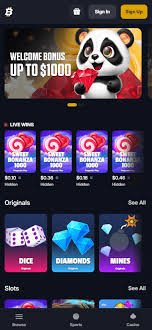
Several platforms have emerged that allow users to buy, sell, and gamble with NFTs, creating unique environments where these concepts converge. For example, platforms that offer loot boxes or mystery packs – where users spend money for random digital assets – have similar mechanics to traditional gambling. Surprise and chance factor heavily into the excitement and allure of such purchases.
The Role of Luck and Skill
In many gambling activities, the role of luck is predominant. However, some argue that NFTs also involve an element of skill, especially when it comes to evaluating the potential value of a digital collectible. A savvy investor may predict trends in the NFT market and gain from their foresight, while others may simply engage in random purchases of assets. This variation leads us to question how heavily the elements of chance weigh within the NFT realm.
Legal Perspectives
Different jurisdictions have varying definitions and regulations surrounding gambling. As NFTs continue to rise in popularity, legislative bodies are faced with the challenge of establishing appropriate classifications. In some cases, the purchase and sale of NFTs are treated similarly to traditional gambling, while in others, they may fall under investment vehicles or even collectibles.
Potential Regulatory Implications
If NFTs are determined to closely align with gambling, it could lead to increased scrutiny and regulation. This might involve licensing for platforms and compliance with gambling laws, placing constraints on their operation. On the flip side, if labelled purely as digital assets, fewer regulations may apply, encouraging growth and innovation in the NFT space.
Consumer Perspectives
The perception of NFTs as a form of gambling varies among consumers. Some users approach NFTs with an investment mindset, anticipating future value, while others may view them as a way to gamble on digital collectibles. The psychological thrill of acquiring something that might increase in worth holds appeal for both investors and gamblers alike.
Ultimately, the line between NFTs and gambling is nebulous. The interpretation can depend largely on the intention behind the purchase: whether it’s seen as an investment or a gamble. Understanding this distinction can impact how users navigate the NFT marketplace.
The Future of NFTs and Gambling
As technology continues to evolve, the integration of NFTs within gaming and gambling sectors is likely to deepen. Developers may create new platforms that combine the best of both worlds, allowing users to gamble their NFTs or create games that reward players based on skill and chance. This hybrid model could redefine the boundaries of both industries.
Expert Opinions
Industry experts emphasize the need for clarity in defining NFTs in legal terms. Many advocate for a balanced approach that recognizes the unique aspects of NFTs while considering consumer protection. Experts also stress the importance of transparency in transactions and the need for informative resources for consumers to make educated choices in participating in NFT-related activities.
Conclusion: NFTs and Their Place in Our Economy
In conclusion, the question of whether NFTs can be considered gambling does not have a definitive answer. The classification depends on various factors, including the actions of the buyer, the characteristics of the NFTs in question, and the legal framework within a specific jurisdiction. As the NFT market continues to mature, ongoing discussions and research will be critical in establishing their role, not just as assets but also in relation to gambling.
Whether viewed through the lens of investment or gambling, NFTs are set to play a significant role in shaping the future of digital assets. As consumers, investors, and regulators navigate this new landscape, clarity, education, and responsibility will be essential keys to unlocking the full potential of NFTs, steering the conversation and industry in a productive, sustainable direction.